
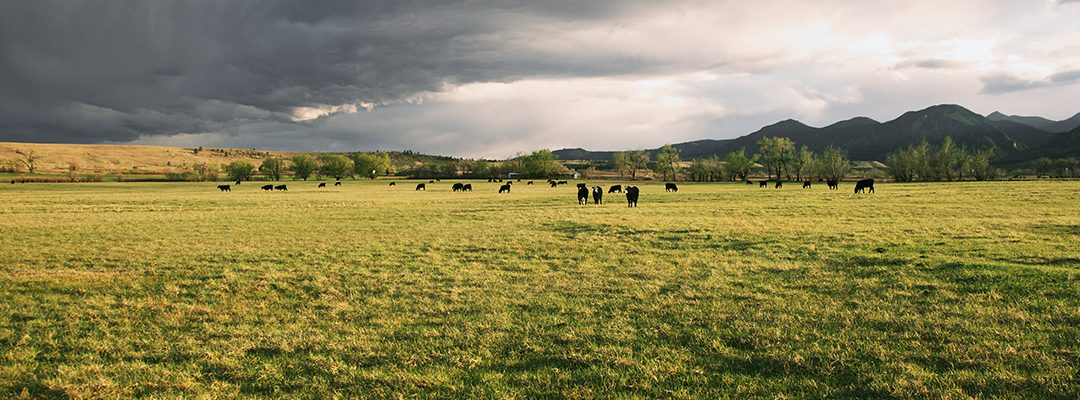
Spike 20P herbicide, with Tebuthiuron as its active ingredient, has a long-standing history in brush control, dating back to 1991, and was even used anecdotally on ranches before that. This nonselective herbicide works by inhibiting photosynthesis and has proven highly effective against a wide range of invasive brush species. Over the years, improvements in application methods have significantly influenced the management of rangeland.
Tebuthiuron is applied in pellet form and spread across the ground. When rain or snow occurs, the pellets are absorbed into the soil, allowing the herbicide to reach the roots of the target plants. Once absorbed, it disrupts the plant’s ability to carry out photosynthesis, eventually leading to its decline.
A variety of brush species are effectively controlled by Tebuthiuron, including Acacia Catclaw, Creosotebush, Sagebrush, Whitethorn, Locustbush, Sumac, Catclaw Mimosa, Burroweed, Tarbush, Buckbrush, and Oak species. The effectiveness can vary depending on the type of soil and the species of plant being treated.
APPLICATION
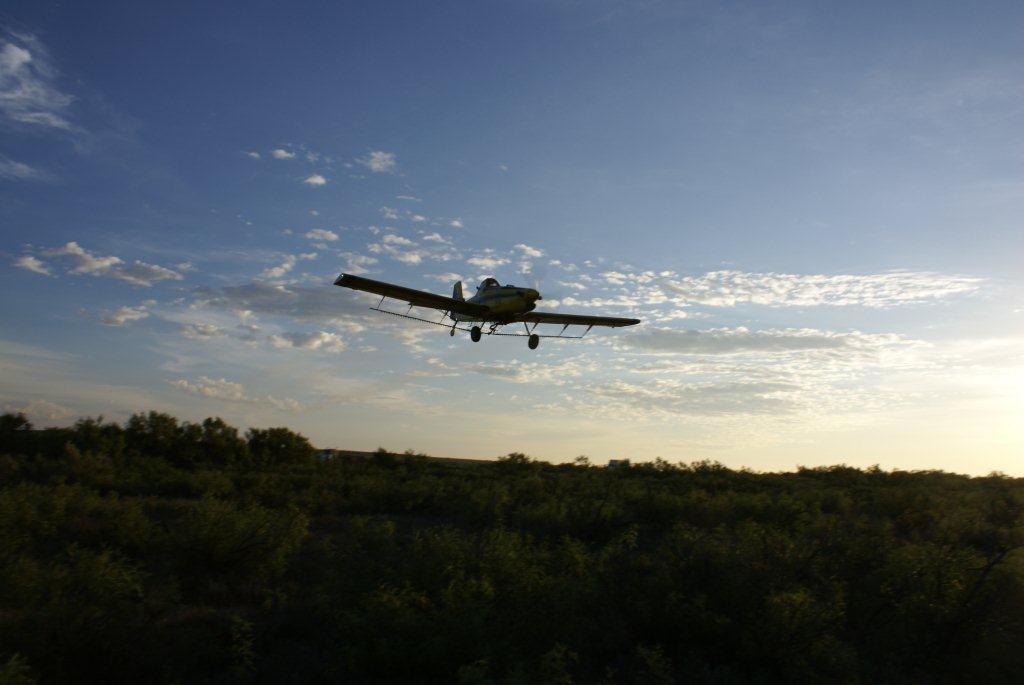
Traditionally, large-scale brush control projects used fixed-wing aircraft for applying Spike 20P herbicide. However, new methods are now gaining traction. Application rates typically range from 3.75 lbs to 10 lbs of pellets per acre, depending on the project’s specific needs. While aerial application is still widely used, alternative approaches such as ground spreaders, helicopters, and more recently, drones are being explored to enhance precision and efficiency.
DRONE TECHNOLOGY
AgAbove LLC, based in southeastern Arizona, is leading the charge in incorporating drone technology into rangeland management. Founder Alan Kartchner has pioneered the use of drones to provide precise herbicide application, allowing for accurate pellet distribution. Early results have shown significant potential for improving efficiency in this area.
The use of drones by AgAbove LLC not only improves the application of Tebuthiuron but also expands its functionality to include tasks such as seeding, fertilizing, and weed control. This precision technology enhances forage production, promotes healthier livestock, and boosts profitability for ranchers, making it an invaluable tool for managing both crops and pastures.
The effectiveness of Tebuthiuron application depends largely on timing, with the optimal period being just before steady rain or snowfall, typically in the fall or winter. When combined with drone technology, this strategic timing represents a major advancement in invasive brush control, particularly for smaller-scale applications.
The success of Tebuthiuron in controlling invasive brush species on rangelands continues to evolve. The adoption of innovative technologies, especially drone applications, marks a significant advancement in achieving more efficient, effective, and environmentally responsible herbicide use.
 Azelis A&ES has experienced representatives that can help you make the right decision for your land management objectives. We are ready to provide you with a safe and effective solution. Talk to one of our technical experts to get started today!