
Why bareground applications?
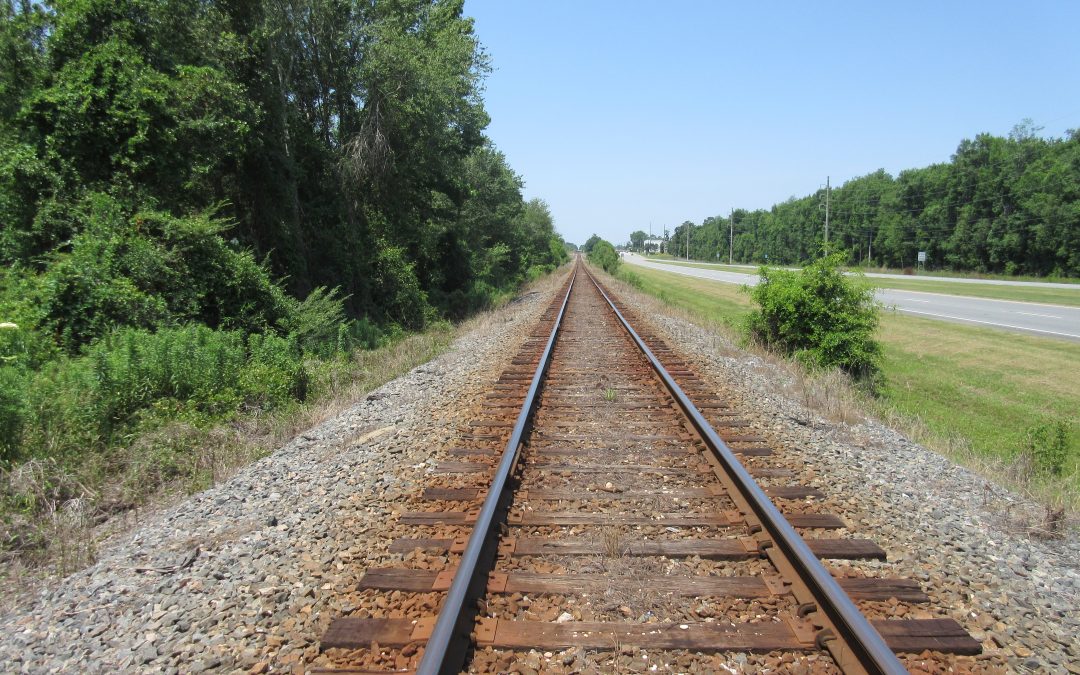
Bareground applications are designed to eliminate all unwanted vegetation from a site. The purpose of these treatments is to improve safety by eliminating habitat for unwanted animals like snakes and rodents, provide clear access, prolong equipment life and improve aesthetics. Bareground treatments are performed annually on sites such as oil and gas wells, pumping stations, utility substations, railroads, plant sites, roadside guardrails, airports, wind farms and solar farms.
Products, product types and application timing
The foundation of bareground programs are pre-emergent products that control vegetation before it has germinated. Major products include Esplande 200 SC, Frequency, Diuron, Pramitol 25E and Spike 80DF. These products keep seed from germinating and tend to last longer in the soil, extending control. Another group of products control vegetation both pre-emergent and post-emergent. Products such as Arsenal AC, Plateau, TerraVue, Method 240 SL, Esplanade Sure, Oust XP, Escort XP, Imazuron and Detail. These products are very versatile and have much longer windows of application than pre-emergent products alone. The last group of products only control weeds that have germinated (post-emergent) and have no soil activity. Products like Glyphosate and Finale VU are typically used for clean-up treatments or around desirable vegetation.
Difficult to Control Weeds
There are many difficult to control species that make bareground work challenging. The most difficult to control weeds include kochia, Russian thistle, Canada thistle, marestail, foxtail, Johnsongrass and pigweed. Combating these weeds requires frequent monitoring for weed breaks, changes in tank-mixes and application timing changes.
Once is Enough
The goal is to make one bareground application that keeps the site weed free all season. Retreats are very costly, decrease efficiency and are difficult to implement. Selection of the appropriate herbicides and frequent equipment calibration will minimize retreats.
Resistance Management
Weed resistance is a term applied to a natural process of weed selection. The use of one active ingredient over time will allow those individual weeds or species that are less affected by the product to survive and reproduce. Over time, the weed population becomes “resistant” if alternative active ingredients are not included. This is especially likely when use rates are at the lower end of labelled rates. In some cases, a weed that becomes resistant to pre-emergent active ingredients may still be controlled by that active as a post-emergent application. Many new products include a herbicide group number at the top of the label. These group numbers categorize the active ingredient. Products with different herbicide group numbers should be tank mixed to help manage resistance. The bottom line is that nature is very resilient so be alert and frequently change your product mixes.
Custom Blends
It is common to use two to four active ingredients in bareground tank-mixes. Due to the variety of vegetation that occurs between sites, customs blends have become widely used for bareground treatments. They offer flexibility and peace of mind knowing that the proper mix has been used on each site. Most of the commonly used bareground tank-mixes can be provided in custom blends.
How Can I Get Help?
Contact your local Azelis A&ES rep for expert advice on the most effective products for your sites.
 Azelis A&ES has experienced representatives that can help you make the right decision for your land management objectives. We are ready to provide you with a safe and effective solution.