

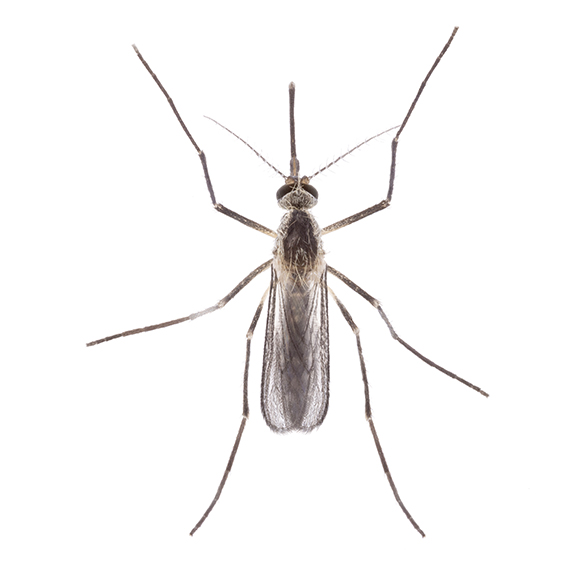
Aedes triseriatus, commonly known as the eastern treehole mosquito, is a species native to the deciduous forests of Eastern North America. This mosquito is adept at thriving within treeholes and artificial containers, often in proximity to human environments, thus making it a species of interest both ecologically and for mosquito control efforts.
Biology and Behavior
Aedes triseriatus exhibits interesting biological traits; for instance, its larvae display cannibalistic behavior when resources are scarce. This is seen more as a survival mechanism rather than common behavior, primarily driven by the constrained environment of a treehole. Adult males predominantly feed on nectar and contribute to pollination, highlighting their role in their ecosystems beyond being just pests.
Public Health Concerns
The females, which require blood meals to reproduce, are vectors for La Crosse encephalitis virus, a significant health concern in the United States, particularly affecting children. The virus can cause severe neurological symptoms, and while there is no specific treatment for La Crosse encephalitis, supportive care is effective in most cases. This makes understanding and controlling Aedes triseriatus populations crucial in affected regions.

Mosquito Control Strategies
One potential control strategy for Aedes trisetiatus includes the use of VectoBac® WDG, a water-dispersible granular material that can reach cryptic habitats. This product, containing Bacillus thuringiensis israelensis, is particularly useful due to its specificity to mosquitoes and minimal impact on other wildlife. It can be applied in various forms including aerial sprays, which help reach difficult terrains like dense forests where treeholes are common.
Preventive Measures
In areas where Aedes triseriatus is prevalent, personal protective measures are also essential. These include using insect repellents, wearing protective clothing, and avoiding outdoor activity during peak mosquito activity periods. Such practices are integral to reducing mosquito bites and subsequent disease transmission.
Conclusion
Aedes triseriatus is more than just a nuisance; it plays a complex role in its habitat and poses significant health risks. Effective management requires a combination of biological understanding, environmental management, and community engagement to reduce the impact of this mosquito species. By leveraging both innovative control technologies and traditional preventive measures, communities can mitigate the risks associated with Aedes triseriatus and improve public health outcomes.
 Azelis A&ES has technical experts that can help you select the right solution to control problem vectors in your region. We are ready to share our knowledge and experience with you!