
Insecticide Resistance 101
Monitoring for insecticide resistance is an important component of an integrated mosquito program. Insecticide resistance is defined by the Insecticide Resistance Action Committee as “A heritable change in the sensitivity of a pest population that is reflected in the repeated failure of a product to achieve the expected level of control when used according to the label recommendations for that pest species.” What this means operationally is that a product that used to yield superior results no longer elicits the same mortality level or may be slower in action against the same mosquito populations.
How can you monitor for insecticide resistance?
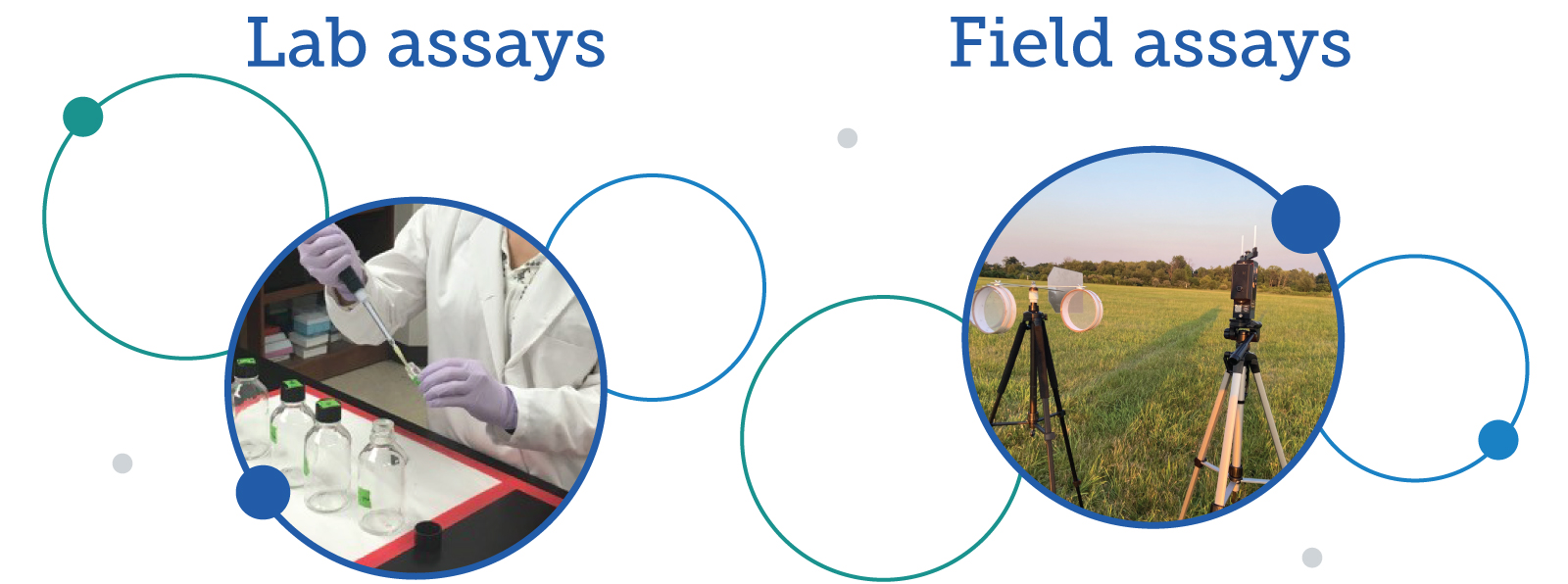
There are various ways to monitor and prevent resistance from becoming a problem in your target mosquito population. Monitoring can involve both lab and field assays, which tell us different information about how an active ingredient and/or formulated product is working against local mosquito populations.
What resources are available to you?
In the continental US, mosquito control programs wishing to conduct insecticide resistance monitoring can request a FREE kit from the Centers for Disease Control and Prevention. The CDC will provide supplies necessary to conduct a CDC Bottle Bioassay, which involves coating a bottle with a known amount of insecticide, introducing mosquitoes to the bottle, and monitoring the mortality over a 2-hour period. This quick and simple assay can help inform programs on which active ingredients are most effective in the lab.
Take it outdoors!
From the lab, programs can take a step further and evaluate their products in a controlled field setting.

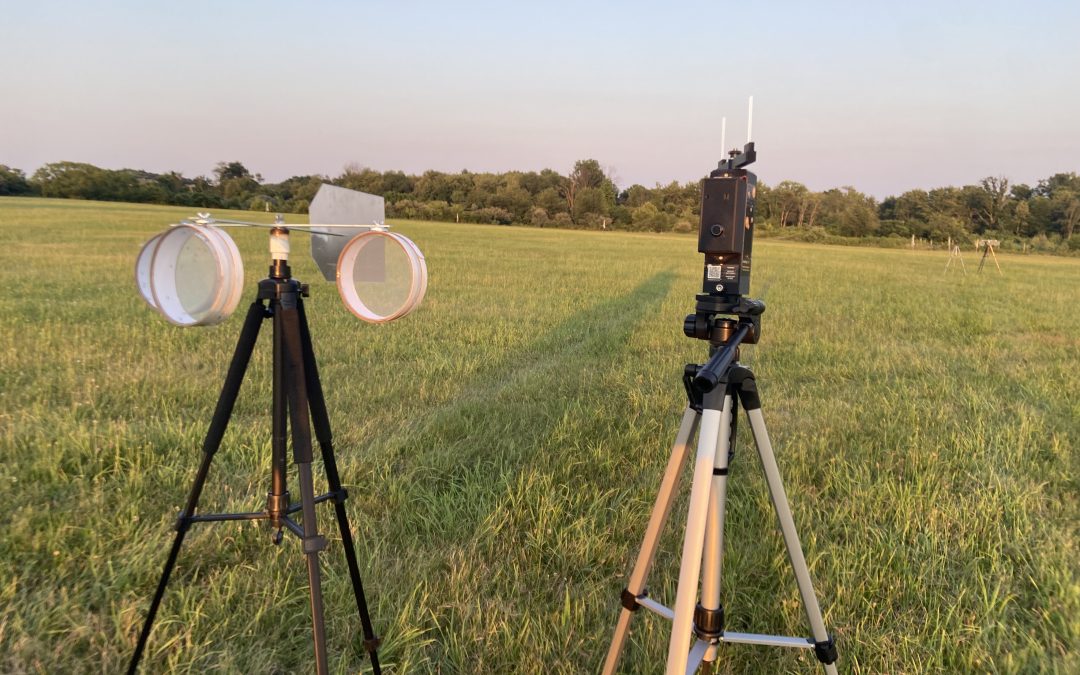
Caged field trials are an effective tool for determining if formulated products at operational doses are successful in causing mortality in the field. These trials involve placing caged mosquitoes in an open field grid and conducting a treatment within the grid.
Are you interested in conducting CDC Bottle Bioassays or caged field trials? Here are some resources:
Check out the CDC’s new video that provides an overview of the CDC bottle bioassay and its importance: https://www.youtube.com/watch?v=Yfv-nYXwdu0
Protocols, kit request information, and other information for conducting the CDC bottle bioassay can be found on the CDC’s website: https://www.cdc.gov/mosquitoes/mosquito-control/professionals/cdc-bottle-bioassay.html
A brief overview of field trials can be found at our Resistance Resource Center, and for more information, you can always contact our Technical Development Specialist at [email protected].
 Azelis A&ES has technical experts that can help you select the right solution to control problem vectors in your region. We are ready to share our knowledge and experience with you!