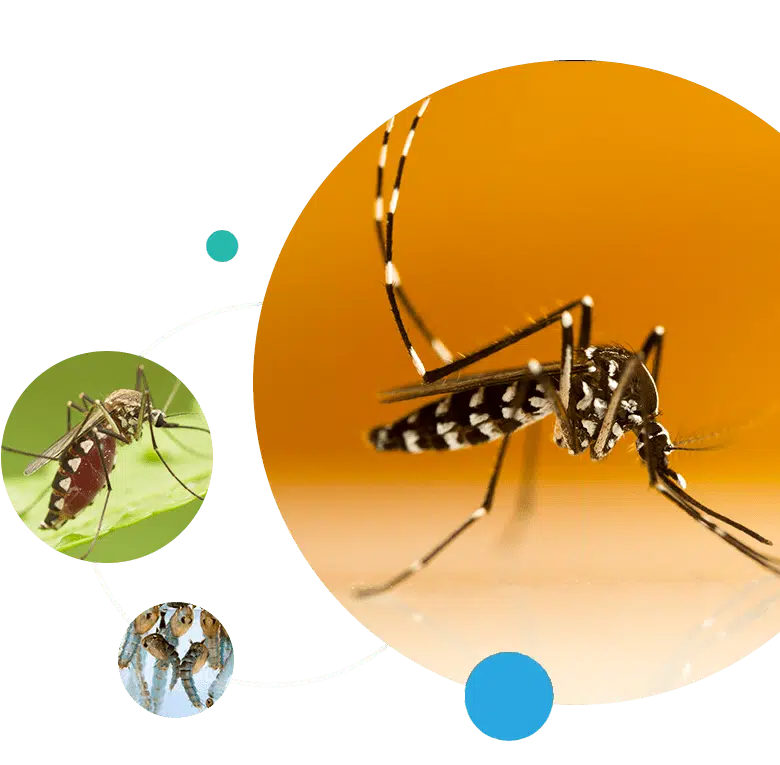
- Mosquitoes are the deadliest animals on Earth. They kill more people than any other animal by transmitting pathogens that cause diseases such as malaria, dengue, yellow fever, and Zika virus.
2. Mosquitoes have been around since the time of the dinosaurs and have survived multiple mass extinctions.
3. Mosquitoes can smell human breath. They are attracted to the carbon dioxide and other chemicals that we exhale.
4. Mosquitoes can also smell human sweat. They are drawn to the lactic acid, uric acid, ammonia, and other substances that we secrete through our skin.
5. Some mosquito species have a preference for blood type. They are more likely to bite people with type O blood than people with type A or B blood.
6. Mosquitoes can fly up to 1.5 miles per hour. They are not very fast compared to other insects, but they are agile and can dodge raindrops.
7. Mosquitoes can beat their wings up to 500-800 times per second. This creates the annoying buzzing sound that we hear when they are near us.
8. Mosquitoes have six parts to their needle-like proboscis (mouthpart). They use two of them to cut through the skin, two of them to hold the tissue apart, one of them to inject saliva that prevents blood clotting, and one of them to suck the blood.
9. Mosquitoes can drink up to three times their weight in blood. Females need blood to produce eggs, but they also feed on nectar and other plant juices for energy.
10. Mosquitoes can lay up to 300 eggs at a time. They usually lay their eggs in floodwater areas, and stagnant water such as ponds, puddles, buckets, or tires.
11. Mosquitoes have four stages in their life cycle: egg, larva, pupa, and adult. The first three stages are aquatic, while the adult stage is terrestrial.
12. Mosquitoes can live from a few days to several months, depending on the species and the environmental conditions. The females usually live longer than the male.
13. Mosquitoes belong to the order Diptera, which means “two wings”. They have only one pair of functional wings, while the second pair is reduced to small knobs called halteres that help them balance.
14. Mosquitoes have compound eyes that consist of hundreds of tiny lenses. They can see in multiple directions at once, but they cannot see very well at long distances.
15. Mosquitoes have antennae that are covered with sensory hairs. They use them to detect sound, smell, humidity, and temperature.
16. Mosquitoes have a proboscis which is a long tube-like structure that extends from their head. They use it to suck blood or nectar from their hosts or plants.
17. Mosquitoes have three pairs of legs that are attached to their thorax. They use them to walk, land, and cling to surfaces.
18. Mosquitoes in the genus Toxorhynchites could be classified as “good” mosquitoes. As larvae, they eat OTHER mosquito larvae in the water. As adults, they only feed on nectar and sugar sources (no blood!).
19. Mosquitoes have over 3,500 species worldwide. They are found on every continent except Antarctica.
Talk to a Vector Control Specialist Today
Habitats, species, weather and more can help determine which product will work best. Let our specialists help guide you in making the proper choice!